
battery technology
Solid-State Battery Breakthroughs: The Future of Portable Power is Here
CES 2026 revealed game-changing solid-state battery technology that's transforming portable power stations, EVs, and consumer electronics. Here's what it means for the future of energy storage.
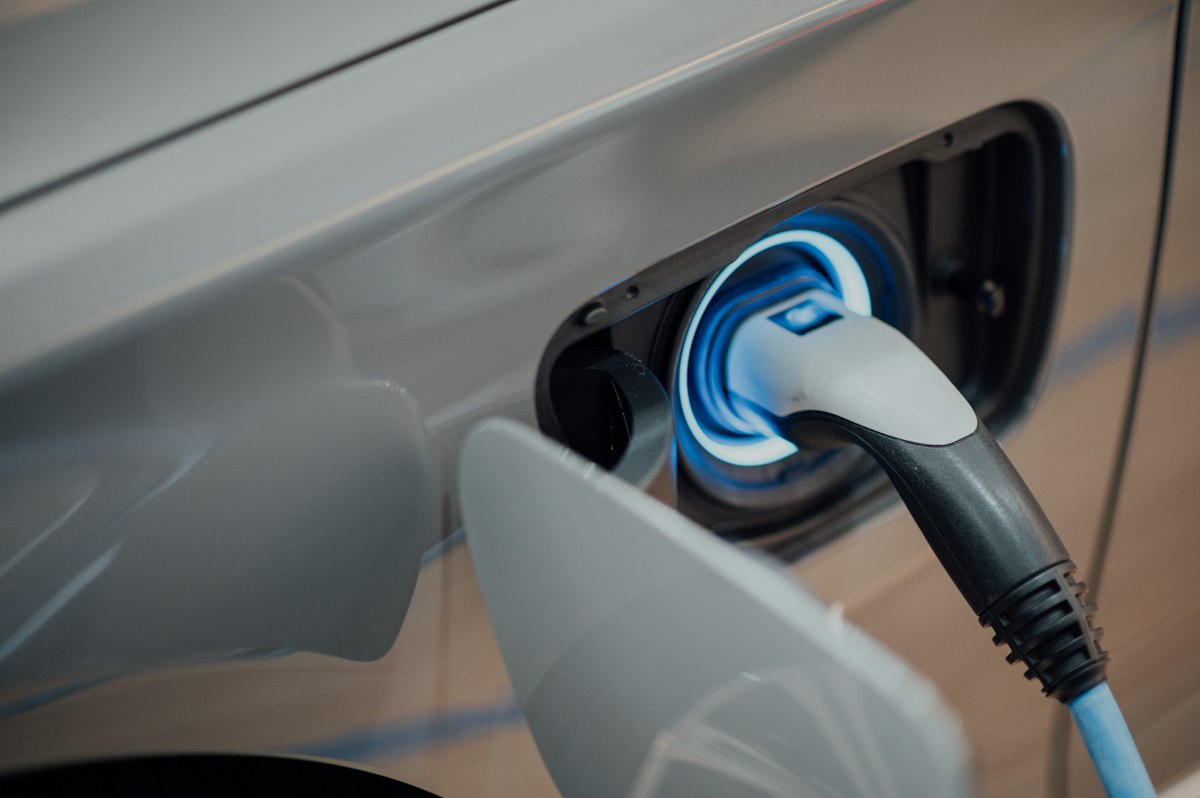
The energy storage revolution has reached a critical inflection point. After decades of laboratory promises, solid-state batteries crossed the commercial threshold in 2026, and the implications for portable power are profound.
The Solid-State Breakthrough at CES 2026
At CES 2026, major manufacturers unveiled production-ready solid-state battery technology that addresses the fundamental limitations of conventional lithium-ion cells. Unlike traditional batteries that use liquid electrolytes, solid-state designs employ ceramic or polymer solid electrolytes that enable higher energy density, faster charging, and dramatically improved safety.
The numbers are striking: solid-state batteries demonstrated at CES achieved energy densities exceeding 500 Wh/kg, nearly double the capacity of current lithium-ion technology. Charging times dropped to 15 minutes for an 80% charge cycle. Perhaps most importantly, thermal runaway incidents became virtually impossible due to the non-flammable solid electrolyte.
Energy Density Comparison: Solid-state batteries pack 400-500 Wh/kg compared to 250-300 Wh/kg for conventional lithium-ion cells. That's a 67% improvement in capacity per kilogram.
From Prototype to Production
The transition from laboratory curiosity to commercial product involved solving three critical manufacturing challenges: scalability, cost, and interface stability.
Manufacturing scalability emerged first. New roll-to-roll production techniques adapted from semiconductor fabrication enabled mass production of thin solid electrolyte layers. Companies developed automated assembly lines that could produce battery cells at scales competitive with conventional lithium-ion manufacturing.
Cost reduction followed closely. Early solid-state prototypes cost 5-10x more than lithium-ion equivalents. By mid-2026, manufacturers reported cost parity for certain applications, with projections showing solid-state batteries becoming cheaper than lithium-ion by 2028 due to simplified thermal management and longer cycle life.
Interface stability, the most technically challenging barrier, saw breakthroughs in protective coatings and buffer materials that prevent dendrite formation at the lithium metal anode. These innovations enabled the 10,000+ charge cycle lifespans demonstrated in recent tests.
What This Means for Portable Power Stations
The implications for portable power stations are transformative. Consider a typical 1,000 Wh portable power station. With conventional lithium-ion cells, that capacity requires approximately 3.5-4 kg of battery mass. Solid-state technology reduces that to 2-2.5 kg while simultaneously improving safety margins and extending operational lifespan.
Real-World Impact: A portable power station using solid-state batteries could deliver the same runtime in a 35-40% lighter package, or provide 60% more capacity in the same form factor.
But weight reduction tells only part of the story. Solid-state batteries excel in several dimensions critical to portable power applications:
Thermal stability: Solid electrolytes maintain performance across a wider temperature range (-20°C to 60°C) without the degradation seen in liquid electrolyte systems. This extends usable runtime in challenging environments, from winter camping to desert job sites.
Cycle life: The elimination of electrolyte degradation pathways enables 10,000+ charge cycles compared to 3,000-5,000 for premium lithium-ion cells. A portable power station with solid-state batteries could provide reliable service for a decade or more of daily use.
Fast charging: The superior ionic conductivity of optimized solid electrolytes supports charge rates exceeding 3C without thermal management concerns. A 1,000 Wh station could recharge in 20 minutes rather than 2 hours.
Safety: Non-flammable solid electrolytes eliminate thermal runaway risk. This dramatically simplifies safety certification and enables higher energy density packing without complex battery management systems.
VoltPak's Position in the Solid-State Transition
At VoltPak, we're tracking solid-state battery development closely as we engineer the next generation of portable power solutions. While our current VP8000H uses premium LiFePO4 chemistry optimized for safety and longevity, we're actively evaluating solid-state technology for future product lines.
The transition won't happen overnight. Current solid-state production focuses on smaller cells for consumer electronics and EVs. Scaling to the larger form factors required for portable power stations requires additional engineering, but the fundamentals are proven.
Timeline Reality Check: While solid-state batteries are now commercial, expect 18-24 months before they appear in portable power stations at competitive prices. Early adopters will pay a premium for cutting-edge technology.
The Bigger Picture: Energy Independence
Solid-state batteries represent more than incremental improvement. They enable fundamentally new use cases for portable power:
Extended off-grid operation: Higher energy density makes multi-day off-grid scenarios practical without solar input. A 2,000 Wh solid-state portable power station could weigh what a current 1,200 Wh unit weighs.
Mobile professional workstations: Content creators, remote workers, and digital nomads can operate power-hungry equipment (4K monitors, high-performance laptops, lighting) for extended periods without grid access.
Emergency preparedness: Longer cycle life means a solid-state portable power station purchased today could provide reliable backup power through multiple decades of occasional use, with minimal capacity degradation.
Integration with renewable energy: Fast charging enables more efficient solar harvesting. A solid-state battery can capture intermittent solar production that slower-charging lithium-ion systems would miss.
Technical Considerations
For those evaluating portable power solutions, several factors deserve attention as solid-state technology matures:
Cell chemistry variations: Not all solid-state batteries are equivalent. Oxide-based solid electrolytes offer superior stability but lower conductivity. Sulfide-based electrolytes provide better conductivity but require protective coatings. Polymer electrolytes excel at interface compatibility but operate over narrower temperature ranges.
Manufacturing maturity: Early production runs will have higher defect rates and cost premiums. The technology is proven, but manufacturing expertise accumulates over time.
Battery management systems: Solid-state batteries require different charging algorithms and voltage monitoring compared to lithium-ion. Ensure your portable power station firmware is optimized for the specific chemistry.
Recycling infrastructure: End-of-life recycling processes for solid-state batteries are still developing. Consider manufacturers with take-back programs and established recycling partnerships.
Looking Forward
The solid-state battery revolution is not a distant promise. It's happening now. Major manufacturers have committed billions to production capacity. The first consumer products shipped in 2026. Portable power stations will follow.
At VoltPak, our mission remains constant: deliver reliable, efficient portable power that enables energy independence. Whether that's powered by our current LiFePO4 chemistry, solid-state batteries, or future technologies we can't yet imagine, the goal is the same: keep you powered wherever you go.
The future of portable power is lighter, safer, faster-charging, and longer-lasting. That future arrived in 2026.
Stay Informed: Follow VoltPak's blog for updates on solid-state battery integration in portable power stations and announcements about our next-generation products.
Your Next Steps
If you're considering a portable power station purchase:
-
Current needs: Today's LiFePO4-based systems like the VP8000H offer excellent performance, proven reliability, and competitive pricing.
-
Future-proofing: Early solid-state products will command premium prices. Evaluate whether cutting-edge technology justifies 2-3x cost versus proven alternatives.
-
Application matching: Solid-state excels in weight-sensitive applications (backpacking, aviation, mobile professionals) and extreme temperature environments.
-
Longevity perspective: Both LiFePO4 and solid-state technologies offer 10+ year lifespans. Choose based on immediate requirements rather than fear of obsolescence.
The portable power landscape is evolving rapidly. Solid-state batteries accelerate that evolution, but they don't obsolete the excellent technology available today. Make informed choices based on your specific needs and use cases.
Portable power has never been more capable, and the trajectory points toward even better solutions ahead.
Related reading: why we chose LFP and local AI computing power demands.