
portable power
Foldable Phones Are Finally Here: Why They Need Better Power Solutions
Apple's iPhone Duo launches October 23, marking the mainstream arrival of foldable smartphones. But dual displays and innovative form factors create unprecedented power demands that existing charging solutions struggle to meet.
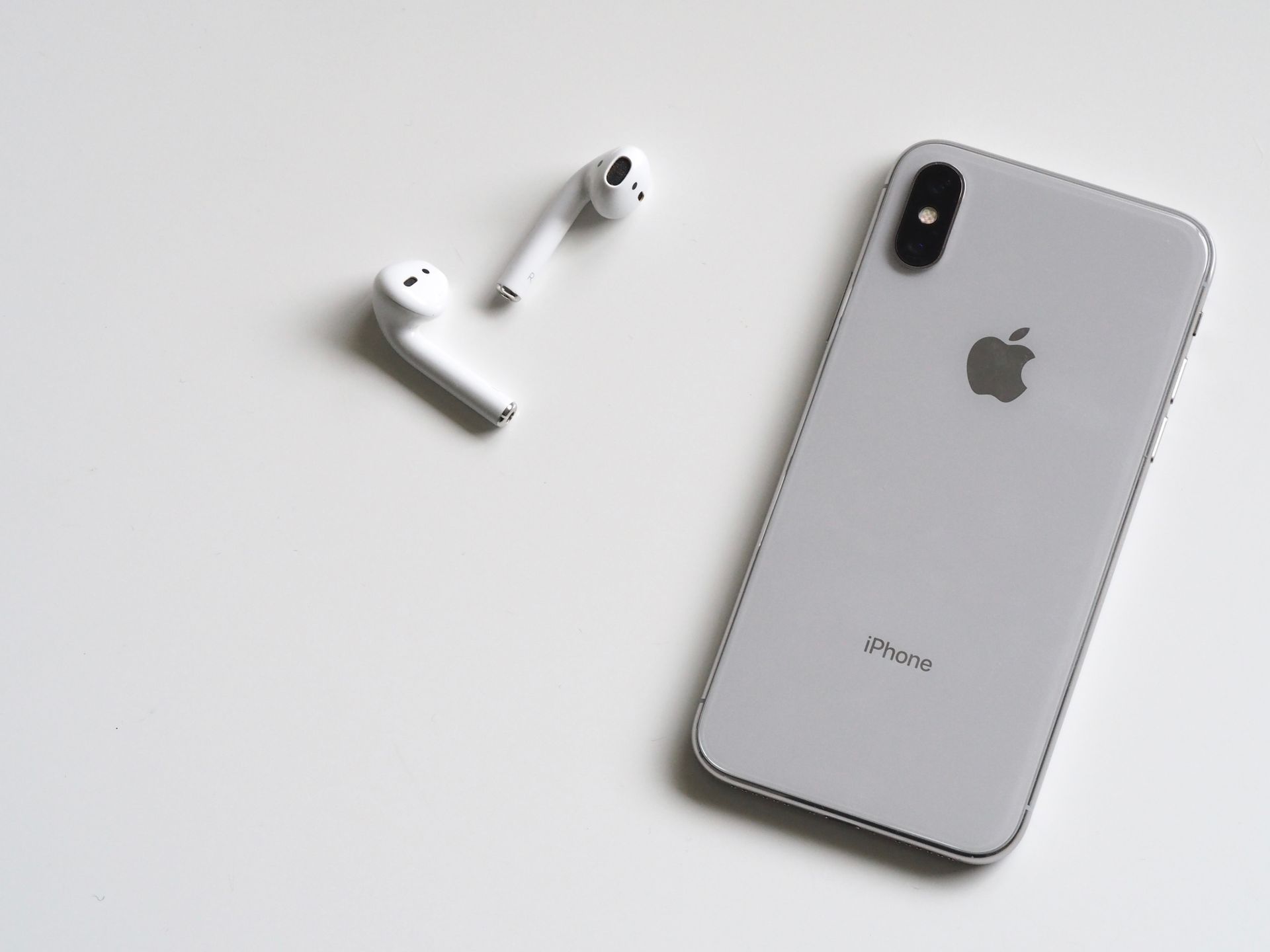
The future of smartphones unfolds this Friday. Apple's iPhone Duo, the company's first foldable device, hits stores on October 23, 2026, with pre-orders already described as "extraordinary" by Apple executives. Starting at $1,999, the Duo represents more than just Apple's entry into the foldable market: it signals that flexible displays have moved from experimental to essential.
But there's a power problem nobody's talking about.
The Foldable Form Factor's Hidden Cost
Foldable phones aren't simply larger smartphones. They're fundamentally different devices with fundamentally different energy requirements.
The iPhone Duo features dual displays: a 5.4-inch external OLED when closed and a stunning 8.3-inch main display when unfolded. Samsung's competing Galaxy Z Fold 6 offers similar dual-screen architecture. Every pixel on both displays requires power, and unlike traditional smartphones where one screen sleeps while you use the other, foldables often leverage both displays simultaneously for multitasking workflows.
The math is unforgiving. Two high-refresh-rate OLED displays consume significantly more power than one. Add the A20 Pro chip (which powers advanced on-device AI features), 5G connectivity, and the mechanical energy required to detect fold angles and adjust the interface accordingly, and you have a device that pushes battery technology to its limits.
Real-world impact: Early reviews of the Galaxy Z Fold 6 reported 20-30% shorter battery life compared to traditional flagship smartphones under similar usage patterns. The iPhone Duo's battery capacity remains undisclosed, but industry analysts expect similar challenges.
Why Traditional Charging Falls Short
Here's where it gets interesting. Foldable phones require larger batteries (the iPhone Duo reportedly uses a 4,800mAh dual-cell configuration), yet charging them presents unique engineering challenges.
The folding hinge creates a physical barrier that prevents using a single large battery cell. Instead, manufacturers split the battery into two smaller cells positioned on either side of the hinge. This dual-battery architecture complicates charging: the device must balance power distribution across both cells while managing heat dissipation in a form factor with less surface area for cooling.
Heat is the enemy of battery longevity. Foldable phones, with their complex internal architecture and dual displays, generate more heat during charging than traditional smartphones. Fast charging exacerbates this problem, forcing manufacturers to choose between charging speed and battery health.
The result: most foldables charge slower than their traditional counterparts despite carrying larger batteries.
The Portable Power Imperative
This is where portable power solutions become not just convenient, but essential.
Consider the typical foldable phone user profile. These aren't budget devices. People spending $2,000+ on a smartphone are likely using it for serious work: content creation, multitasking workflows, extended video calls, mobile gaming. They're exactly the users who can't afford to be tethered to a wall outlet for two hours while their device charges.
The use cases drive the requirements:
Content creators shooting 8K video on that expansive unfolded display drain batteries in hours. They need portable power that can deliver multiple full charges without adding bulk to their mobile kit.
Business professionals using the iPhone Duo's dual-screen capability for simultaneous email and document editing need reliable all-day power. When your phone is your primary productivity device, battery anxiety is productivity anxiety.
Travelers adopting foldables for their tablet-like capabilities when unfolded face a paradox: the device that replaces their iPad also depletes faster than the devices it replaces. Airport charging stations become mandatory stops rather than optional conveniences.
Power density matters: Foldable phones need power banks that match their premium positioning. A cheap 10,000mAh power bank barely delivers one full charge to a 4,800mAh dual-battery device due to conversion losses. Quality matters more than ever.
What Foldable Adoption Means for the Charging Ecosystem
Apple's entry into foldables legitimizes the category. When Apple adopts a technology, the broader market follows. We should expect:
Increased focus on battery efficiency: Software optimizations that intelligently manage which display is active, when background processes run, and how power is distributed across the dual-battery system.
Evolution of charging standards: USB-C Power Delivery already supports up to 240W, but foldables will push manufacturers to implement smarter charging algorithms that balance speed against thermal management.
Rise of multi-device charging solutions: If you own a foldable phone, you likely also own wireless earbuds, a smartwatch, and possibly a tablet. Single-device charging solutions no longer match the reality of modern tech ecosystems.
Mainstream adoption of GaN technology: Gallium nitride chargers deliver higher power in smaller form factors with better efficiency. As foldables become common, so will the charging technology that actually works with them.
The VoltPak Perspective: Power That Matches Your Lifestyle
At VoltPak, we've been watching the foldable market develop with particular interest. Not because we're making phones (we're not), but because we understand what happens when cutting-edge technology meets real-world power demands.
The same customers who invest in premium foldable technology need charging solutions that match that investment. Not in price, necessarily, but in capability, reliability, and intelligence.
This means:
Capacity that matters: A foldable phone with a 4,800mAh battery needs a power bank that can deliver at least 3-4 full charges. That's 20,000mAh minimum after accounting for conversion efficiency.
Smart power delivery: USB-C PD 3.1 support with programmable power supply (PPS) capability to match the device's optimal charging profile, not just blast it with maximum wattage and hope for the best.
Form factor consideration: Premium devices deserve premium accessories. A power bank that weighs more than the phone it's charging isn't a solution.
Multi-device capability: Because nobody using a $2,000 foldable phone is only carrying one device.
Looking Ahead: The Foldable Future Is Power-Hungry
The iPhone Duo's October 23 launch isn't just about Apple joining the foldable market. It's about foldables joining the mainstream. And mainstream adoption means mainstream power requirements.
We're entering an era where the smartphone in your pocket can replace your tablet, your e-reader, your portable gaming device, and your laptop for many tasks. But that versatility comes with an energy cost.
The good news: battery technology is improving. Solid-state batteries, silicon-carbon anodes, and advanced battery management systems promise better energy density and faster charging. The challenge: these technologies are still 2-3 years from mainstream smartphones.
In the meantime, portable power solutions fill the gap.
The bottom line: Foldable phones represent the future of mobile computing, but that future requires better power solutions than most users currently own. As these devices become common, so will the realization that premium technology requires premium power infrastructure.
Practical Recommendations
If you're considering the iPhone Duo or any foldable phone:
Invest in quality charging accessories: Your device's battery health depends on how you charge it. Look for certified USB-C PD chargers with good thermal management.
Plan for portable power: A high-capacity power bank isn't optional. It's infrastructure for your mobile workflow.
Monitor battery health: Foldables' dual-battery systems make battery degradation more complex. Use your device's battery health monitoring tools and establish good charging habits early.
Consider your use case: If you're upgrading from a traditional smartphone, expect 20-30% shorter battery life under equivalent usage. Adjust your charging habits accordingly.
Think ecosystem, not device: Your foldable phone is part of a larger tech ecosystem. Your charging solution should accommodate all of it.
The foldable phone era is here. The question isn't whether you'll need better power solutions, but when you'll realize you need them.
Related reading: solid-state battery revolution and ultra-thin power banks innovation paradox.