
energy efficiency
The AI Energy Crisis: What Data Center Power Consumption Means for You
Global AI data centers will consume 565 TWh in 2026, equivalent to the entire annual electricity consumption of France. This isn't just a tech industry problem. It's reshaping how we think about energy, efficiency, and portable power.
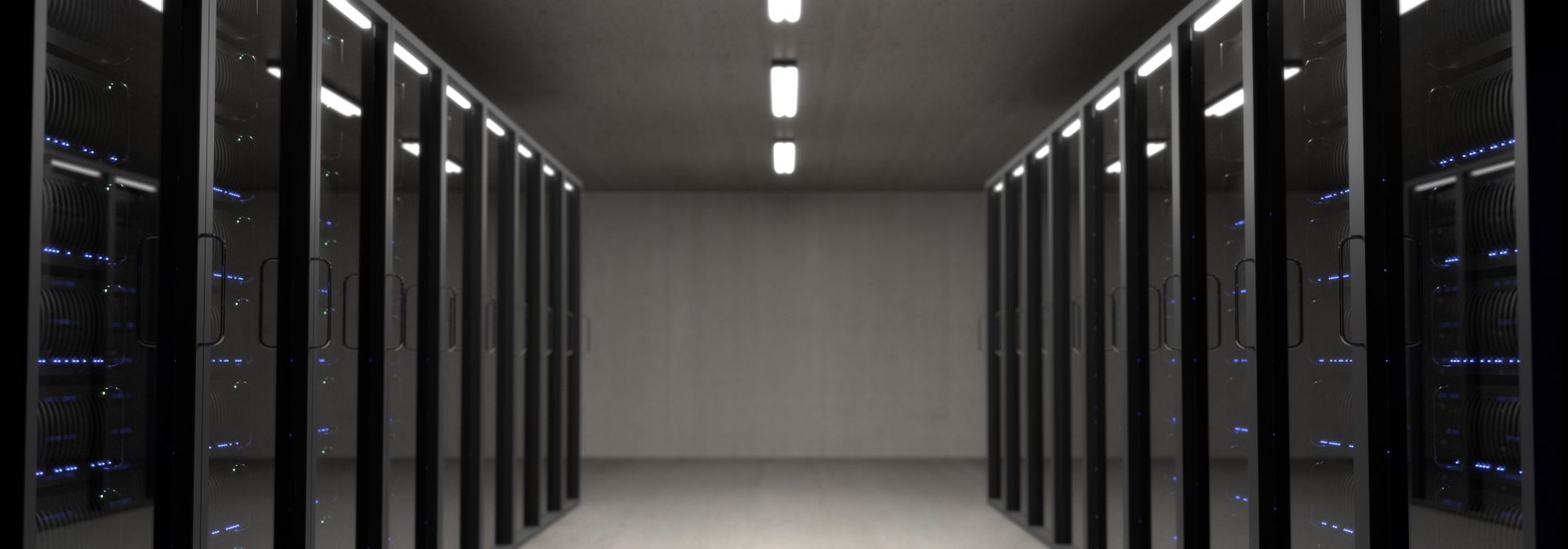
The numbers are staggering. According to comprehensive industry analysis, global data centers will consume approximately 565 terawatt-hours (TWh) of electricity in 2026. To put that in perspective: that's more than the entire annual electricity consumption of France, or roughly 2% of global electricity demand.
And AI is driving most of this growth.
But here's the part that affects you directly: this unprecedented energy demand isn't just an abstract problem for tech companies and power utilities. It's reshaping consumer technology, accelerating new approaches to energy efficiency, and creating opportunities in portable power that didn't exist three years ago.
Let's talk about what the AI energy crisis actually means for regular technology users.
Understanding the Scale: Why AI Needs So Much Power
Traditional data centers that serve your email, stream your videos, and host your cloud files are relatively efficient. They've had decades to optimize power consumption, cooling systems, and server utilization.
AI workloads are different beasts entirely.
Training large language models (the foundation of ChatGPT, Claude, and similar systems) requires thousands of specialized GPUs running at full capacity for weeks or months. A single training run for a frontier AI model can consume as much electricity as 1,000 American homes use in a year.
But training is just the beginning. Inference (actually running the AI to answer questions, generate images, or process data) happens billions of times per day across millions of users. Every ChatGPT conversation, every AI-generated image, every automated video edit draws power from data centers.
The computational intensity: A single AI inference request can use 10-100x more computational resources than a traditional web search. Multiply that by billions of daily requests, and you understand why power consumption has exploded.
The hardware itself exacerbates the problem. NVIDIA's H100 GPUs, the workhorses of modern AI infrastructure, each consume 700 watts under load. A single AI server rack can draw 100 kilowatts. Data centers built just five years ago aren't equipped to handle this power density, forcing expensive infrastructure upgrades or entirely new facility construction.
The Grid Impact: Infrastructure Strain You Don't See
Here's where it gets interesting for consumers. The AI power surge isn't happening in isolation. It's hitting electrical grids at the exact moment when:
Electric vehicle adoption is accelerating: Adding significant new load to residential and commercial grids, particularly during peak evening charging hours.
Renewable energy is scaling up: Creating intermittency challenges that require more sophisticated grid management and energy storage solutions.
Climate change is driving higher cooling loads: Both in data centers and in everyday buildings, increasing baseline electricity demand.
Grid infrastructure is aging: Much of the U.S. electrical grid was built in the 1960s and 70s. It wasn't designed for current load profiles, much less AI's demands.
The result: power utilities are scrambling. Amazon, Microsoft, and other tech giants have publicly committed to stop using non-disclosure agreements when negotiating data center deals with local governments, responding to community backlash and concerns about grid capacity.
Some regions have implemented or proposed moratoriums on new data center construction. From New York to San Francisco, communities are pushing back against infrastructure that could strain local power grids and drive up electricity costs.
Real-world consequences: Some utilities are already warning that AI data center growth could delay renewable energy transitions because new natural gas plants may be needed to meet surging demand. The tension between AI advancement and climate goals is becoming impossible to ignore.
The Consumer Technology Shift: Edge Computing's Rise
The AI energy crisis is accelerating a major shift in how consumer technology works: edge computing.
Instead of sending every AI request to massive cloud data centers, manufacturers are building AI processing capabilities directly into consumer devices. Apple's A20 Pro chip in the iPhone Duo, Google's Tensor G4 in Pixel phones, and dedicated AI accelerators in modern laptops all represent the same trend: moving computation from the cloud to the edge.
This shift has profound implications:
Privacy improvements: Your data doesn't leave your device for many AI tasks, reducing privacy risks and data transmission overhead.
Reduced latency: Edge AI responds in milliseconds instead of the hundreds of milliseconds required for cloud round-trips.
Energy distribution: Instead of concentrating power consumption in mega data centers, edge computing distributes it across millions of consumer devices.
New power demands: Your smartphone, laptop, and tablet now need more capable batteries and more sophisticated power management to handle on-device AI.
This is where the conversation intersects with portable power solutions in ways most people haven't considered.
What This Means for Your Devices and Power Needs
Edge computing solves data center power problems by creating consumer device power challenges. Those local AI capabilities don't run on magic. They draw power from your device's battery.
Consider modern usage patterns:
AI-assisted photography: Every time you take a photo, on-device AI processes the image, adjusts lighting, removes blur, and enhances details. This happens in real-time, drawing significant power.
Voice assistants: Always-on wake word detection uses dedicated neural processing units that consume power 24/7, even when your device appears idle.
Automated workflows: Email prioritization, notification management, predictive text, and dozens of other AI features run continuously in the background.
Content creation: Video editing with AI stabilization, background removal, and automated color grading happens on-device, using specialized neural processors that can consume several watts continuously.
The cumulative effect: your devices need more power, more often, despite manufacturers' best efficiency efforts.
This creates opportunities and challenges:
Opportunity: Better battery technology driven by edge AI requirements benefits all device functionality, not just AI features.
Challenge: Even the best battery technology can't overcome physics. More capable devices doing more complex tasks need charging more frequently.
Reality: Portable power solutions become infrastructure rather than accessories.
The Broader Energy Awareness Shift
Here's an unexpected consequence of the AI energy crisis: it's making regular consumers more aware of energy consumption across their entire technology ecosystem.
When news headlines report that AI training runs consume megawatt-hours of electricity, people start asking questions about their own energy use:
- How much power does my laptop actually consume?
- Is leaving devices plugged in all the time wasteful?
- What's the energy cost of my daily technology habits?
- Can I reduce my energy footprint without sacrificing functionality?
This awareness shift drives behavior changes:
Smarter charging practices: People are learning to avoid leaving devices at 100% charge constantly, which degrades batteries and wastes power through heat dissipation.
Interest in energy monitoring: Smart plugs and energy monitors are becoming common, letting users track actual consumption rather than guessing.
Adoption of efficiency-focused technology: GaN chargers, which waste less energy as heat during power conversion, are moving from enthusiast products to mainstream accessories.
Consideration of total lifecycle costs: When choosing new devices, energy efficiency is becoming a factor alongside price and features.
The positive angle: Increased energy awareness driven by AI's massive consumption is making consumers more thoughtful about all their energy use. Crisis drives innovation and behavioral change.
Backup Power Takes on New Importance
There's another consequence of grid strain from AI data centers: increased focus on power reliability and backup solutions.
As electrical grids operate closer to capacity limits, the risk of brownouts and temporary power disruptions increases. Simultaneously, our dependence on always-available power has never been higher. Remote work, smart home systems, home security, and essential communications all require constant electricity.
This creates growing interest in portable backup power solutions that extend beyond emergency preparedness:
Work continuity: Remote workers can't afford power outages during critical meetings or deadlines. Portable power stations provide hours of laptop and router operation.
Smart home resilience: When your door locks, security cameras, and HVAC controls all require power, brief outages become more than inconvenient. They're security and comfort issues.
EV charging backup: As electric vehicle adoption grows, home charging capability becomes essential. Portable power stations can provide emergency charging when grid power fails.
Renewable energy storage: Consumers installing rooftop solar increasingly pair it with battery storage, driven by grid uncertainty and time-of-use electricity pricing.
The AI energy crisis, paradoxically, is making distributed energy storage and portable power solutions more relevant to average consumers than ever before.
The Innovation Response: Efficiency Becomes Competitive Advantage
Market pressure from energy costs is driving remarkable innovation in power efficiency.
Specialized AI chips: Companies like Google, Apple, and Amazon are designing custom silicon optimized for AI workloads at much lower power consumption than general-purpose GPUs.
Advanced cooling systems: Liquid cooling, immersion cooling, and other techniques are improving data center power efficiency by reducing the massive energy overhead of traditional air conditioning.
Software optimization: AI models are being redesigned to require fewer computations for similar results, directly reducing power consumption.
Grid integration: Data centers are increasingly coordinating with utilities to shift flexible workloads to times when renewable energy is abundant and grid load is low.
These data center innovations have direct consumer benefits. Better AI efficiency means:
- Faster responses from cloud services using less energy
- Longer battery life for edge AI features on your devices
- Lower costs as efficiency improvements reduce operational expenses
- More sustainable technology practices across the industry
The VoltPak Perspective: Energy Efficiency Isn't Optional Anymore
At VoltPak, we've always prioritized energy efficiency in our portable power solutions. Not as a marketing angle, but as fundamental engineering.
The AI energy crisis validates this approach. When data centers are scrambling to find enough power and consumers are becoming more energy-aware, efficiency isn't a nice-to-have feature. It's table stakes.
This shapes how we think about portable power:
LFP battery chemistry: Our choice of lithium iron phosphate batteries over traditional lithium-ion isn't just about safety and longevity. LFP batteries have better round-trip efficiency, wasting less energy during charge and discharge cycles.
GaN charging technology: Gallium nitride chargers reduce energy waste during power conversion. Over thousands of charge cycles, this efficiency compounds into significant energy savings.
Intelligent power management: Smart charging that optimizes for battery health and minimal energy waste matters more as people use portable power solutions more frequently.
Lifecycle thinking: A portable power station that lasts 10 years with minimal degradation is more sustainable than one requiring replacement every 2-3 years, regardless of initial efficiency specs.
The broader energy conversation driven by AI's massive consumption makes these engineering choices more relevant to consumers who previously didn't think much about power efficiency.
What You Can Do: Practical Steps
The AI energy crisis might seem abstract and beyond individual control, but consumer choices and habits matter:
Choose efficient devices: When buying new technology, consider energy consumption as a factor. Devices with better power management save money and reduce grid strain.
Optimize your charging habits: Avoid leaving devices at 100% charge constantly. Use smart plugs to prevent phantom power draw from chargers and adapters.
Invest in quality charging accessories: Cheap chargers waste significant energy as heat. Quality GaN chargers pay for themselves in efficiency over time.
Consider portable backup power: Grid uncertainty makes backup power increasingly practical rather than paranoid. Choose solutions with good efficiency specs and long-term reliability.
Support edge computing: When available, choose devices and services that process data locally rather than requiring constant cloud connectivity. This reduces data center load and often provides better privacy and performance.
Stay informed: Understanding where your electricity comes from and how much your technology uses enables better decisions. Simple energy monitors make consumption visible.
The AI revolution is happening whether or not data centers can power it sustainably. Consumer awareness and smart choices about energy can help tip the balance toward efficiency.
Looking Forward: Energy as a First-Class Design Constraint
The AI energy crisis is forcing a fundamental shift in how technology gets designed and deployed.
Energy consumption, once an afterthought in software and hardware design, is becoming a first-class constraint alongside performance, cost, and user experience. This is healthy.
For consumers, this means:
- More capable devices that use power more intelligently
- Greater transparency about energy consumption
- Better tools for managing and optimizing power use
- Growing ecosystem of energy-efficient accessories and solutions
- Increased focus on sustainability across the technology industry
The data center power crunch is real, significant, and not going away soon. But the innovations it's driving, the awareness it's creating, and the opportunities it's opening for better energy practices make this more than just a crisis.
It's a catalyst for rethinking how we power our digital lives.
The takeaway: AI's massive energy consumption is reshaping technology infrastructure and consumer expectations. This creates challenges, but also opportunities for smarter energy use, better portable power solutions, and more sustainable technology practices.
At VoltPak, we're building power solutions for this new energy-aware era. Because when data centers are consuming as much electricity as entire countries, every watt of efficiency in consumer technology matters.
The future of technology isn't just about what our devices can do. It's about doing it sustainably.
Related reading: edge AI portable power revolution and local AI computing power demands.